



Traveling Europe sounds expensive. Many people picture pricey trains, tiny hotel rooms, and restaurant bills that hurt just to read. That fear alone stops a lot of travelers from even trying.
Here’s the truth: learning how to travel Europe on a budget is completely doable. You don’t need luxury hotels or first-class tickets to have an unforgettable trip. With the right transport choices, smart food strategies, and affordable accommodation options, Europe can be surprisingly budget-friendly.
This guide breaks everything down in simple, practical steps so you can spend less money and still enjoy more experiences.
Why Europe Doesn’t Have to Be Expensive
Europe has a reputation for being costly, but that’s mostly due to poor planning. The continent is packed with budget airlines, affordable public transport, and cheap eats—if you know where to look.
Budget travel in Europe works because:
- Countries are close together
- Public transport is excellent
- Many cities offer free attractions
- Budget accommodation is everywhere
Once you understand the system, costs drop fast.
How to Travel Europe on a Budget Using Affordable Transport
Transport is often the biggest expense. Choosing the right option can save you hundreds.
Budget Airlines: Cheap but Strategic
Europe is home to many low-cost airlines that offer flights cheaper than train tickets.
Popular budget airlines include:
- Ryanair
- Wizz Air
- EasyJet
Money-saving tips:
- Book early for the lowest fares
- Travel with a carry-on only
- Avoid extra fees like seat selection
- Be flexible with dates and airports
Budget flights work best for longer distances across Europe.
Trains: Smart Booking Makes Them Affordable
Trains are comfortable, scenic, and connect nearly every major city.
Ways to save on European trains:
- Book tickets weeks in advance
- Use regional trains instead of high-speed ones
- Travel at off-peak times
- Compare single tickets vs rail passes
If you’re visiting multiple countries, a rail pass can sometimes be cheaper than buying individual tickets.
Buses: The Cheapest Way to Cross Borders
Long-distance buses are often the most budget-friendly option.
Why buses work for budget travelers:
- Tickets can cost as little as €5–€15
- No baggage fees
- Overnight routes save on accommodation
They take longer than trains, but the savings are real.
Local Transport: Skip Taxis
Public transport in Europe is reliable and affordable.
To cut daily costs:
- Buy day passes or weekly passes
- Walk when possible
- Use metro and trams instead of taxis
Many European cities are compact and easy to explore on foot.
How to Travel Europe on a Budget Without Overspending on Food
Food is where many travelers accidentally blow their budget. The trick is balance.
Eat Like a Local, Not a Tourist
Tourist restaurants are easy to spot—and overpriced.
Instead:
- Eat where menus aren’t in five languages
- Walk a few blocks away from major attractions
- Look for busy local spots
Local meals are often cheaper and taste better.
Street Food and Bakeries Are Your Best Friends

Street food is one of the easiest ways to eat well for less.
Budget-friendly food options include:
- Bakeries for breakfast
- Street food stalls for lunch
- Local takeaway shops
You can eat well for under €10 in many cities this way.
Shop at Supermarkets
Supermarkets are a game changer for budget travel.
Smart supermarket buys:
- Sandwich ingredients
- Fresh fruit
- Yogurt and pastries
- Ready-made meals
Eating one supermarket meal per day can cut food costs in half.
Save on Drinks and Coffee
Drinks add up fast in Europe.
Simple ways to save:
- Buy drinks at supermarkets
- Carry a reusable water bottle
- Avoid ordering drinks with every meal
Tap water is safe in most European countries.
How to Travel Europe on a Budget With Cheap Accommodation
Accommodation is often the largest expense – but also the easiest to control.
Hostels Aren’t Just for Backpackers
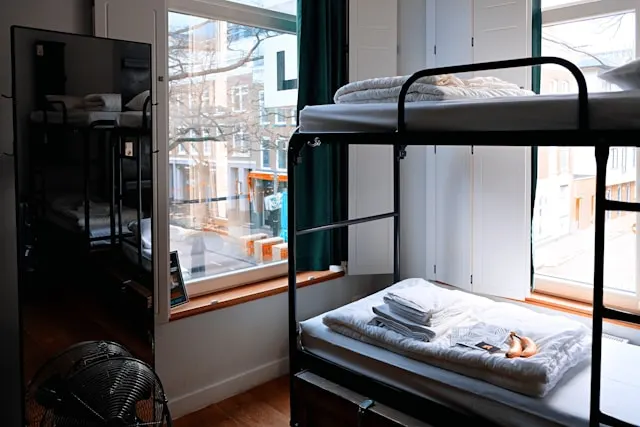
Modern hostels are clean, social, and budget-friendly.
Why hostels work:
- Dorm beds are cheap
- Many offer private rooms
- Kitchens help you save on food
- Great for meeting other travelers
They’re perfect for solo travelers and couples on a budget.
Budget Hotels and Guesthouses
Small hotels and guesthouses can be surprisingly affordable.
Tips for booking:
- Stay slightly outside city centers
- Look for family-run properties
- Book directly when possible
You often get more space for less money this way.
Apartments and Short-Term Rentals
Renting an apartment makes sense for longer stays.
Best for:
- Staying 3+ nights
- Traveling in a group
- Wanting kitchen access
Cooking even a few meals saves a lot.
Overnight Transport = Free Accommodation
Night buses and trains save both time and money.
Benefits:
- No hotel cost for that night
- Wake up in a new city
- Maximize sightseeing days
It’s one of the best budget travel hacks in Europe.
Free and Cheap Things to Do Across Europe
You don’t need paid tours every day.
Free Activities to Look For
Many cities offer:
- Free walking tours
- Free museum days
- Public parks and viewpoints
- Historic neighborhoods
These experiences often end up being highlights.
City Passes: Worth It or Not?
City passes can save money – but only if used correctly.
They’re worth it if you:
- Plan to visit many attractions
- Use public transport frequently
- Stay for several days
Always calculate first before buying.
Common Mistakes to Avoid When Traveling Europe on a Budget
Avoiding these mistakes can save serious money.
- Overpacking and paying baggage fees
- Eating every meal in tourist areas
- Booking transport last minute
- Using taxis instead of public transport
- Not tracking daily spending
Budget travel is about awareness, not sacrifice.
Pro Tips to Travel Europe on a Budget Like a Pro
Use these strategies to stretch your money further:
- Travel in shoulder seasons (spring and fall)
- Visit cheaper countries alongside expensive ones
- Stay longer in fewer cities
- Book transport and accommodation early
- Use travel apps to compare prices
Small choices add up fast.
Sample Daily Budget Breakdown
Here’s a realistic daily budget for many European cities:
- Accommodation: €20–€40
- Transport: €10–€20
- Food: €15–€25
- Activities: €5–€15
Total: €50–€90 per day
Costs vary by country, but this range is achievable.
Conclusion: How to Travel Europe on a Budget Without Missing Out
Learning how to travel Europe on a budget isn’t about cutting fun – it’s about spending smart. With affordable transport, local food choices, and budget accommodation, Europe becomes accessible to almost anyone.
Plan ahead, stay flexible, and focus on experiences over extras. You’ll spend less, stress less, and enjoy your trip far more.
Europe doesn’t have to drain your savings. It just needs the right strategy.
Looking for the Cheapest Cities to Visit in Europe?
To make your planning even easier, check out this up-to-date guide on the cheapest European cities to visit, including flight prices and average daily costs:
👉 Cheapest European cities to visit in 2026 – Aviabuy
It’s a great resource for choosing destinations that stretch your budget further while still delivering amazing experiences.
Frequently Asked Questions
1. What is the cheapest way to travel around Europe?
Buses and budget airlines are usually the cheapest, especially when booked early.
2. How much money do I need per day in Europe?
Budget travelers can manage on €50–€90 per day depending on the country.
3. Is Europe cheaper if you travel longer?
Yes. Longer stays reduce transport costs and allow better accommodation deals.
4. Are hostels safe in Europe?
Yes. Most European hostels are clean, secure, and well-reviewed.
5. Which European countries are best for budget travel?
Eastern and Southern Europe generally offer lower daily costs than Western Europe.